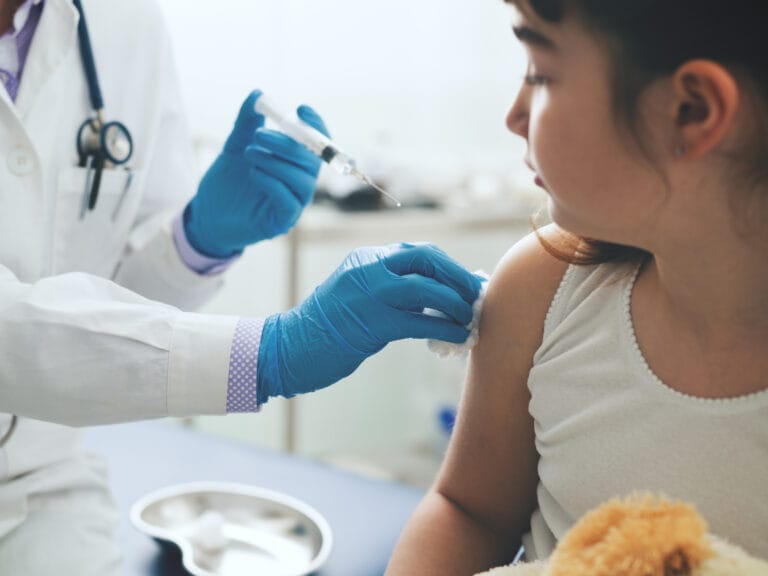

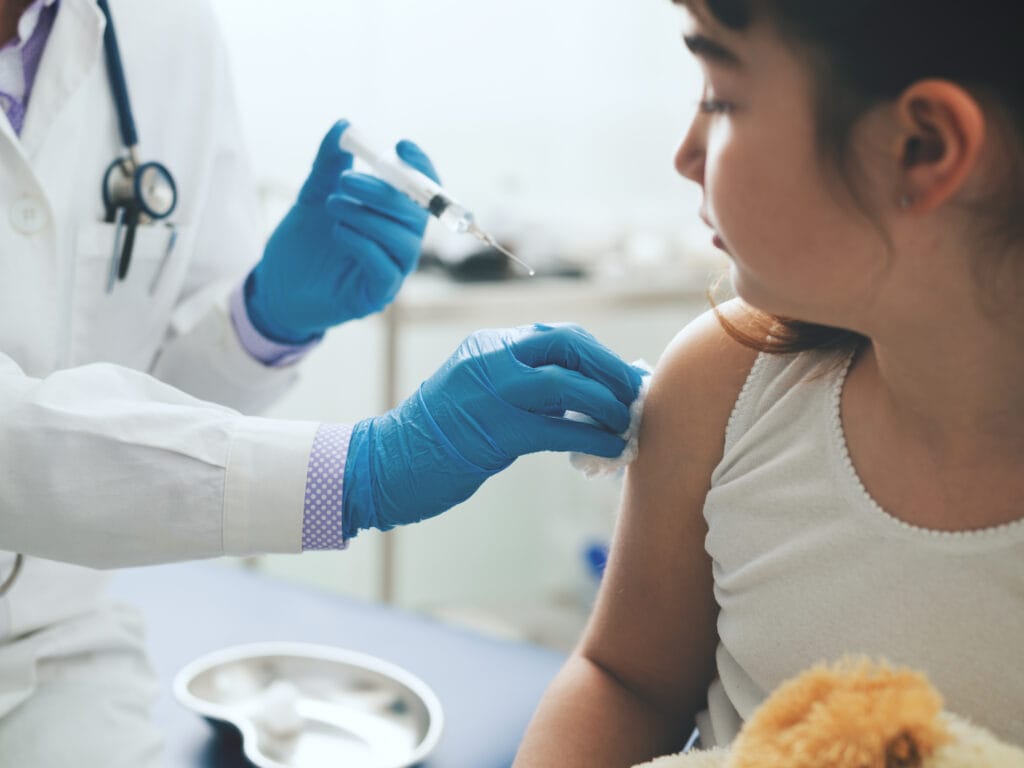
The arrival of your baby is a moment to celebrate with family and friends to share the joy of the start of a new life. But parents can’t afford to let their guard down. There’s a reason why you keep everyone from kissing the baby— the same reason why your child needs to get vaccinations. These early years are crucial to ensure that your child is protected and stays healthy throughout.
Your Child’s Vulnerable Immunity
Children have vulnerable immune systems that are still developing. This means they are more susceptible to serious infections compared to adults. Vaccines work by introducing a weakened or inactive form of a virus or bacteria to the body. This triggers the immune system to create antibodies that can fight the real infection if encountered later.
Vaccination doesn’t only protect the individual child but also contributes to herd immunity. When a sizable portion of a community is vaccinated, it creates a barrier that makes it harder for the disease to spread. This indirect protection is especially important for vulnerable kids who can’t be vaccinated due to medical reasons or are too young to receive certain vaccines. This would become more important once your child enters kindergarten, where more outside exposure can bring more frequent sick days for your child.
Diseases Covered by Malaysia's Immunisation Programme (NIP)
Staying educated about the diseases that could affect your child and their peers is important to remain alert about their health. In Malaysia, it is normal to look out for these particular diseases, and many clinics have resources to help parents protect their child, Klinik Azurose included.
Here’s what each vaccine in the schedule protects your child against:
Tuberculosis (TB)
A bacterial infection that most often affects the lungs but can spread to the brain, spine, kidneys, and other organs. It’s especially dangerous in infants.
Hepatitis B
Infection of the liver by the Hepatitis B virus. If the body can’t fight off the virus, it can lead to long-term liver damage, cirrhosis (scarring of the liver), liver cancer, etc.
Diphtheria
An infectious disease caused by bacteria that can come in contact and live in the mouth and throat of your child. Diphtheria can cause difficulty breathing, paralysis, and heart failure.
Tetanus
Also known as lockjaw, caused by bacteria toxins that attack the body’s nervous system, leading to painful muscle stiffness and tightening throughout the body.
Pertussis (whooping cough)
Highly contagious, with violent and persistent coughing that makes it hard for your child to breathe. It’s often described as a series of rapid coughs followed by a high-pitched “whoop.” This can lead to oxygen deprivation, dehydration and even seizures.
Poliomyelitis (polio)
An infectious and incurable viral disease that attacks the nervous system. A severe form of this disease can cause sudden weakness or paralysis in one or more limbs.
Haemophilus influenzae type b (Hib)
A serious infection that mainly affects children under 5 years. It can typically cause meningitis, pneumonia through an infection of the lungs, and swelling of the epiglottis, a flap of tissue at the back of the tongue that can block the airway.
Japanese encephalitis (JE)
Infection of the brain caused by JE virus. Children who develop symptoms of JE are more likely to experience complications that can lead to permanent brain damage, learning disabilities, etc. Only those in Sarawak receive this vaccination.
Pneumococcal disease
Caused by Streptococcus pneumoniae bacteria, leading to pneumonia, meningitis, and ear infections.
Measles
Highly contagious, causing fever, rash, and cough, with potentially serious complications including pneumonia and brain swelling. An additional early measles dose is given in Sabah, ahead of the routine MMR schedule, due to local measles risk.
Mumps
Mumps causes a swelling of the salivary glands (cheeks) and fever. While usually mild, mumps can lead to complications like inflammation of the testicles in males and ovaries in females, deafness, and meningitis.
Rubella (German measles)
Can cause a mild rash, fever, and joint pain. In some cases, rubella can cause serious birth defects if a pregnant woman contracts the disease.
Human papillomavirus (HPV)
The most common sexually transmitted infection (STI). Certain strains of HPV can cause cervical cancer, the third most common cancer among women worldwide. This one is given later, around age 13.
Malaysia’s National Immunisation Programme (NIP) for Your Child
Malaysia’s National Immunisation Programme is run by the Ministry of Health (Kementerian Kesihatan Malaysia, KKM) and has protected children since the 1950s. Every vaccine on the schedule is provided free to Malaysian children at government clinics (Klinik Kesihatan) and hospitals. You only pay if you choose a private clinic or opt for a vaccine outside the standard programme.
Your child’s doses are recorded in their health record book (“buku rekod kesihatan” / the pink or blue book). Bring it to every visit, and keep it safe, as clinics and schools will refer to it for years.
Your Newborn Vaccination Schedule
Also known as the National Immunisation Programme schedule, it is a timeline of vaccinations specifically designed to maximise the coverage your child receives and avoid downtime between shots.
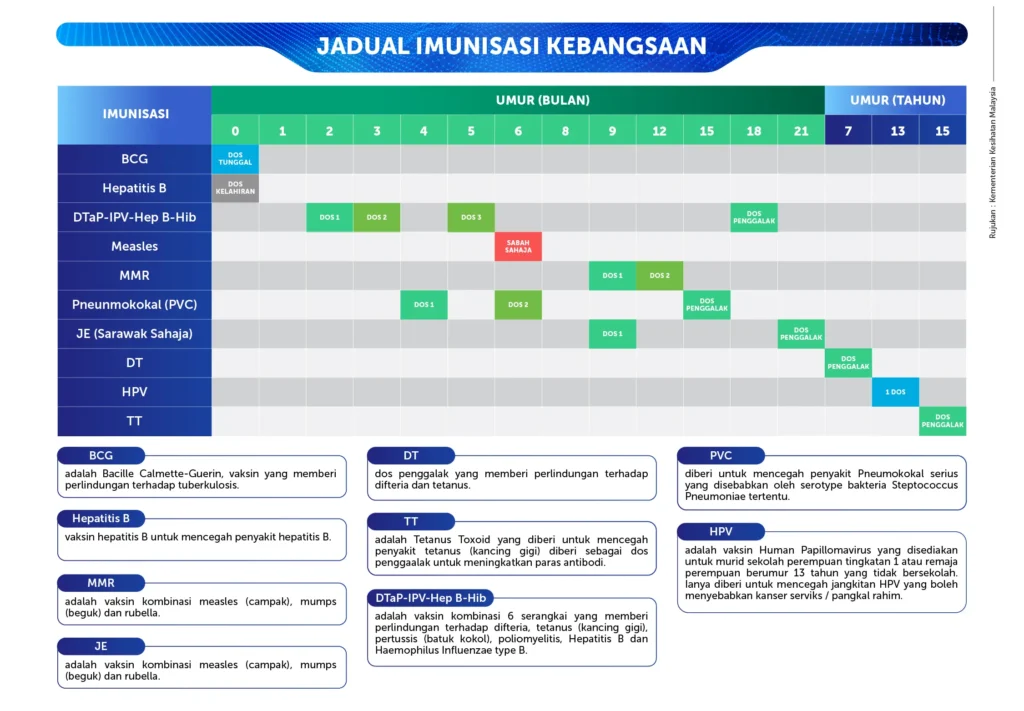
Here’s a breakdown of the recommended vaccination schedule for newborns in Malaysia:
At Birth:
Your child should receive a single dose BCG vaccine to protect against tuberculosis, as well as a shot of hepatitis B immunisation.
At 6 Weeks:
Around the two-month mark, your child will start a series of doses of the Hexavalent Vaccine (Infanrix-hexa). This powerful six-in-one vaccine protects against diphtheria, tetanus, pertussis (whooping cough), hepatitis B, poliomyelitis (polio), and Haemophilus influenzae type b (Hib). This is the first dose of a three-dose series, next administered in the 3rd and 5th months.
At 4 Months:
Your child should receive the Pneumococcal Conjugate Vaccine (PCV) (HiB-PCV) dose. This vaccine protects against pneumococcal diseases, which can cause pneumonia, meningitis, and ear infections. This is the first dose of a two-dose series.
At 9 Months:
This is when you’ll start a two-dose series of MMR vaccines that protect your child against measles, mumps, and rubella. The next dose will come on the 12th month.
Of course, there are also booster doses for your child to be extra careful.
Additional Vaccinations Offered by Klinik Azurose in Cheras
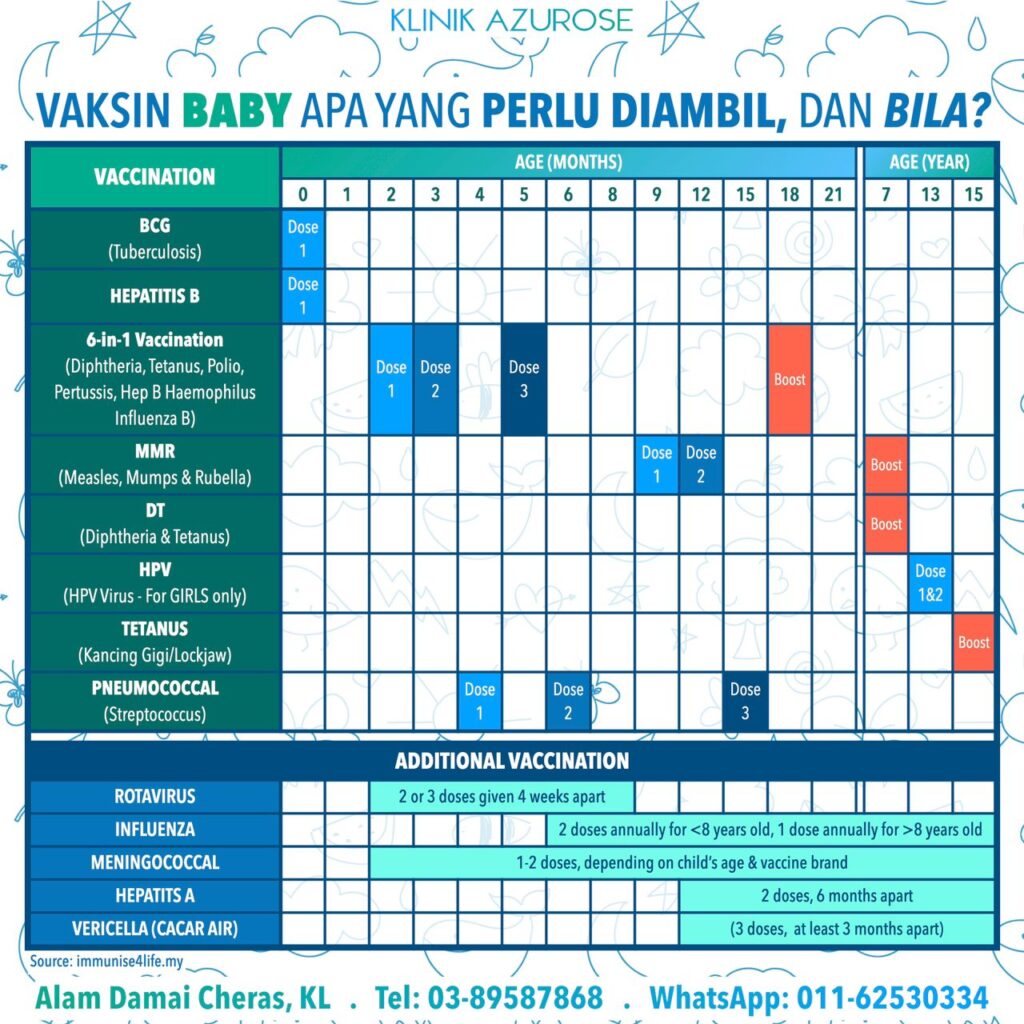
Some vaccines aren’t part of the free national schedule but are recommended by many paediatricians and available at private clinics, including Klinik Azurose:
- Rotavirus Vaccine (oral): Protects against rotavirus, a common cause of severe diarrhoea and vomiting in young children. Given as 2–3 oral doses depending on the brand, usually starting around 6 weeks of age.
- Influenza Vaccine: Recommended yearly from 6 months of age onward, particularly for children with underlying health conditions.
- Varicella (Chickenpox) Vaccine: Protects against a highly contagious illness; typically given from 12 months of age.
- Meningococcal Vaccine: May be recommended based on your child’s age, travel plans, or other risk factors.
- Hepatitis A Vaccine: Worth considering for some families, particularly before travel.
Ask our doctors which of these make sense for your child.
What to Expect After a Vaccination
Mild side effects are common and are a normal sign the immune system is responding. They usually settle within a day or two:
- Soreness, redness, or mild swelling at the injection site
- A low-grade fever
- Fussiness, sleepiness, or reduced appetite
You can offer extra comfort feeds or cuddles, dress your baby lightly, and speak to your doctor about appropriate fever relief if needed. Seek medical attention promptly if your baby develops a high fever, seems unusually unwell, has difficulty breathing, or shows swelling beyond the injection site.
When Should Vaccination Be Delayed?
Hold off on a scheduled vaccination if your baby currently has a high fever or is otherwise clearly unwell. Let them recover fully first, so their immune system isn’t under extra strain.
If your child has previously had a significant reaction to a vaccine, has a weakened immune system, or has any chronic medical condition, speak with your doctor before the next dose. They can advise whether any adjustment to the schedule is needed. A mild cold without fever is generally not a reason to delay.
What If We Miss a Dose?
Don’t panic, missed or delayed doses are common, and your child almost never needs to restart a vaccine series from scratch. Bring your child’s health record book to your Klinik Kesihatan or a private clinic as soon as you can; the doctor will review what’s been given and put together a catch-up plan based on your child’s age.
Vaccinations are one of the most effective ways to safeguard your child’s health. By following the recommended schedule, you’re giving your newborn the best chance to grow up healthy and strong. Remember, these vaccines not only protect your child but also help prevent the spread of diseases in the community.
If you’re looking for a reliable clinic to vaccinate your child and keep track of their schedule, visit Klinik Azurose in Cheras. We are ready to help new parents on their journey to keep their child safe and tell them everything they need to know. Book an appointment today!